Content ideation & research
I research the brand, the audience, and what's working in adjacent niches, then turn it into a backlog of ideas your team can actually ship.
Content Strategist & SM Manager
Inbound marketing and social media certifications.
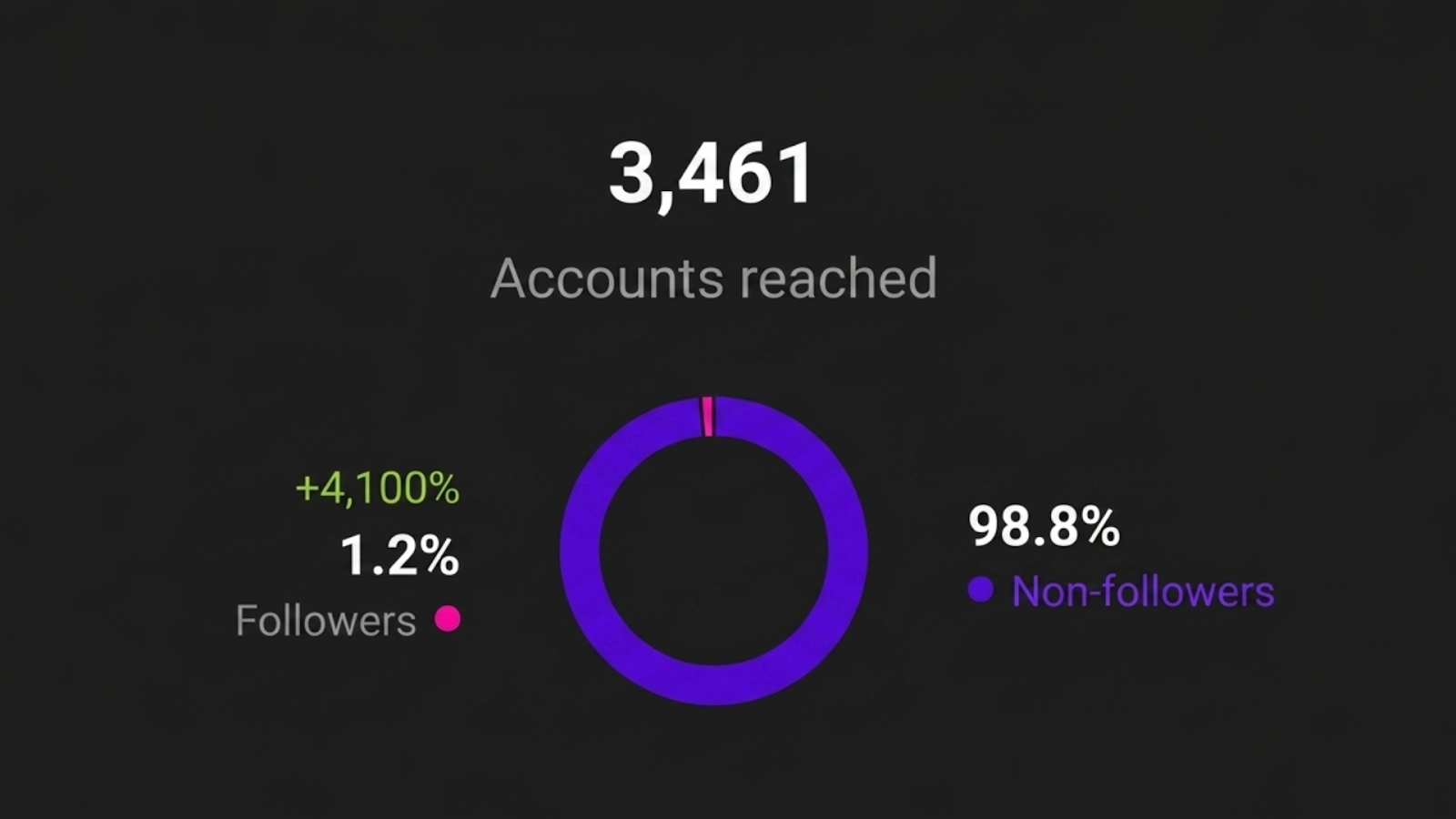
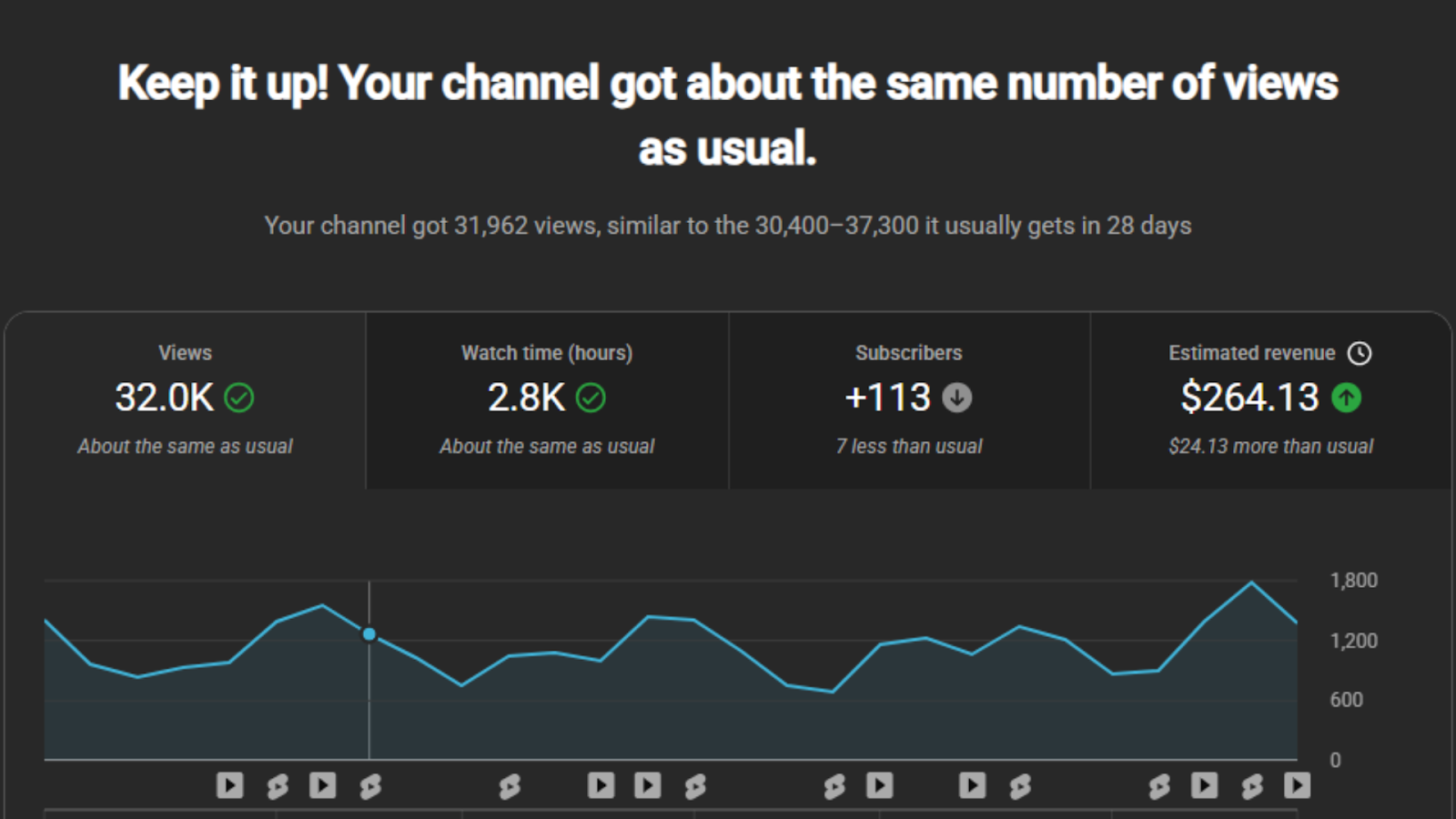
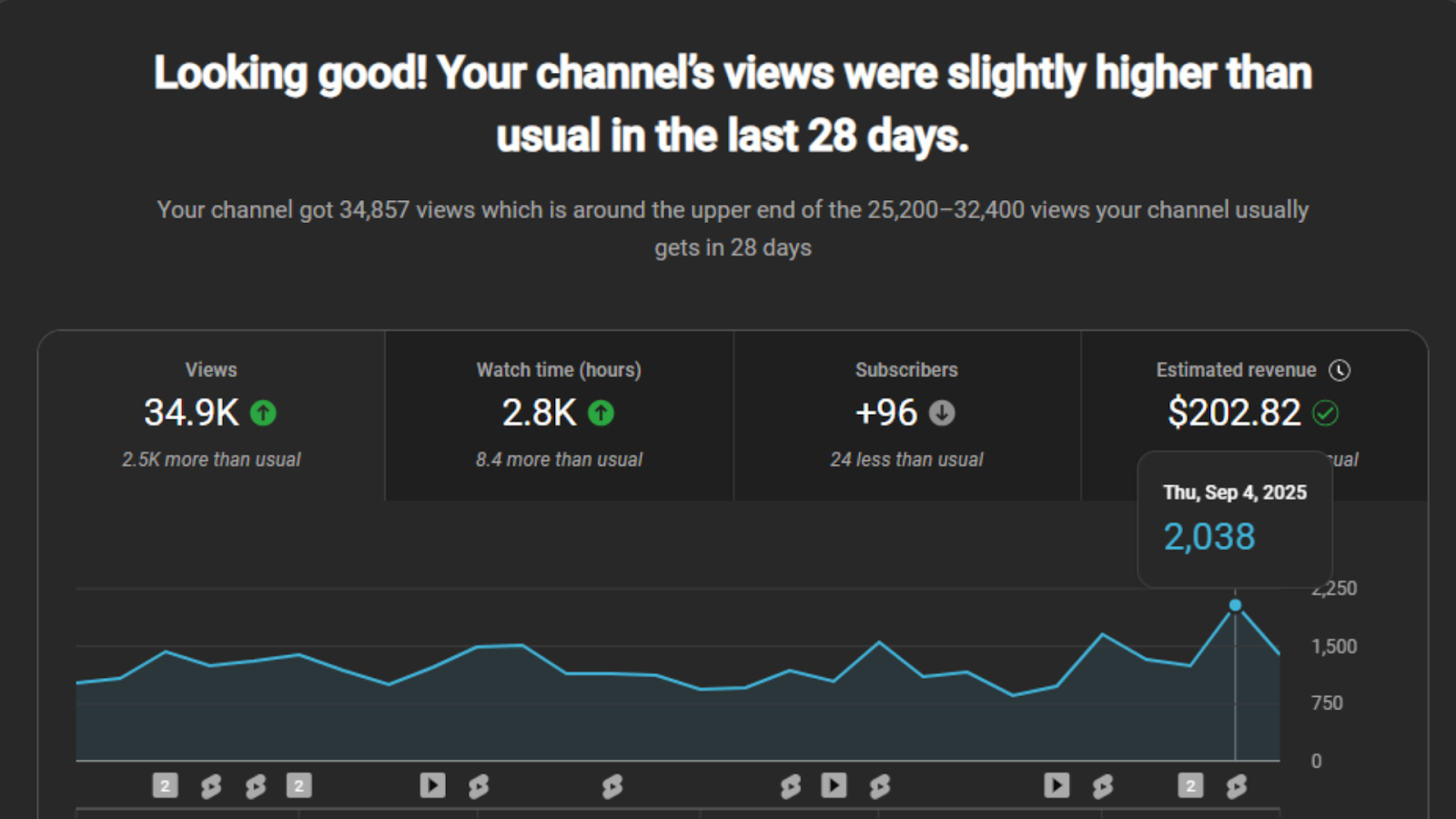
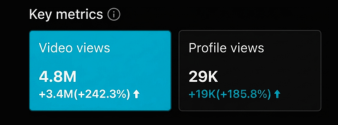
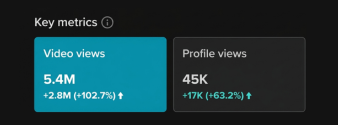
Directed end-to-end short-form workflows for clients including Azad Chaiwala, Zeeshan Usmani, TBT Podcast, Alex Strength Physio, Priceless Tay, WhiteKnuckle Fitness, OpenChange AU, and Bilsmark Realty. 80M+ organic views generated collectively across Instagram, TikTok, and YouTube.
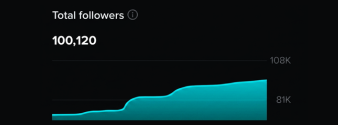
Managed the CEO's personal brand end-to-end on Instagram. Grew from 0 to 120K followers in 5 months through ghostwritten short-form content and audience-focused strategy.
Took the TikTok account from 0 to 120K+ followers in 90 days through a full short-form strategy revamp and repeatable video-level analysis.
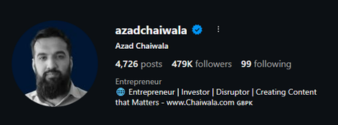
Managed the personal Instagram of a prominent Pakistani education and business creator. Contributed to 30K+ follower growth in 10 months through consistent short-form content repurposed from long-form.
Past work, case studies, content samples, and how I think about the craft.
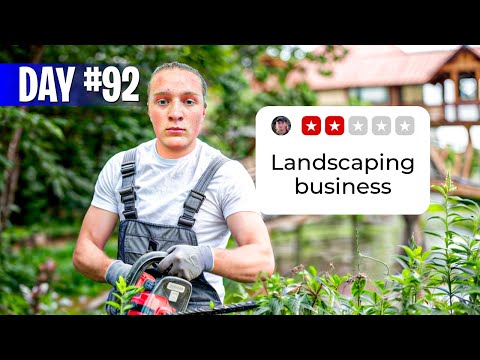
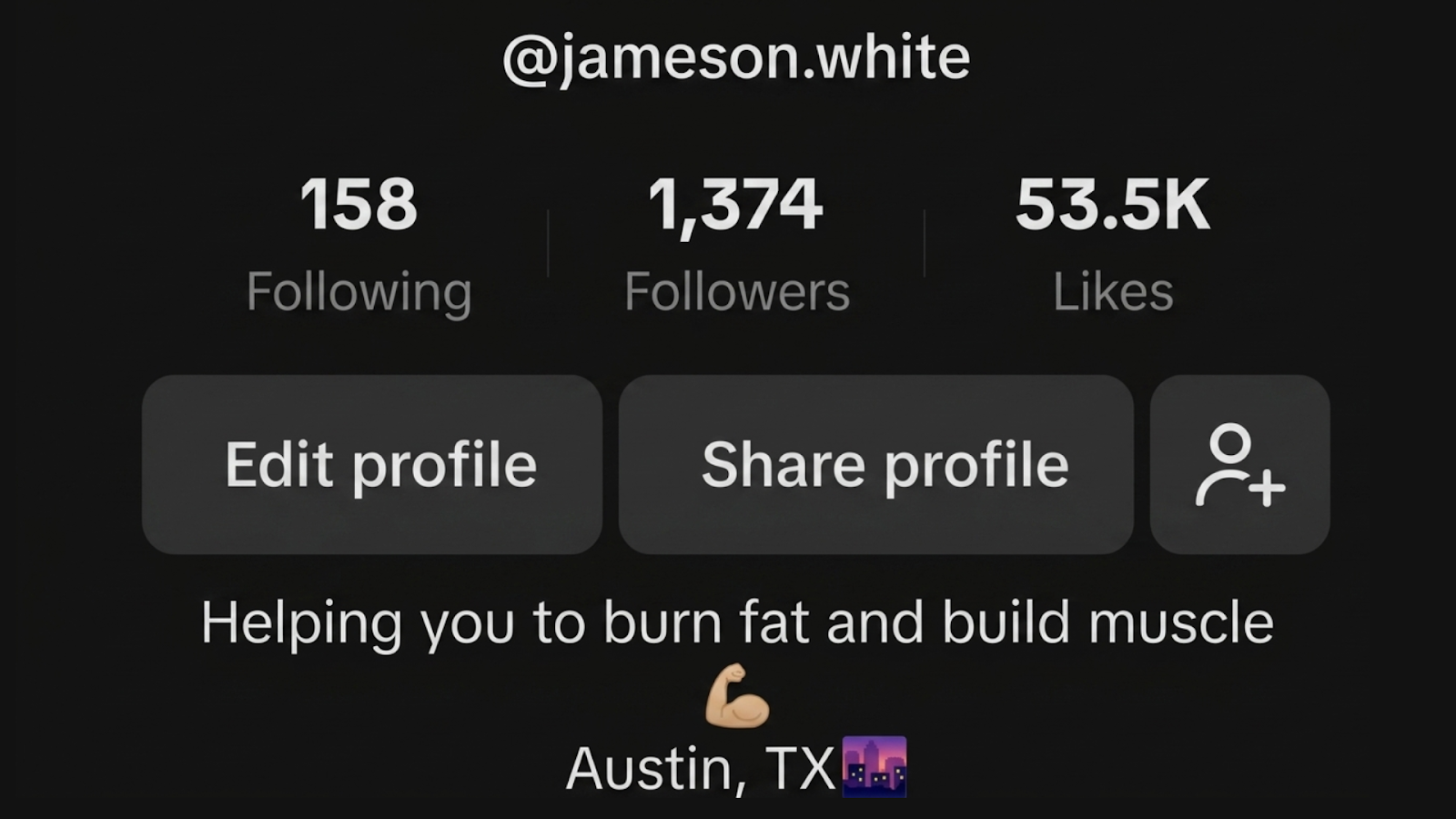
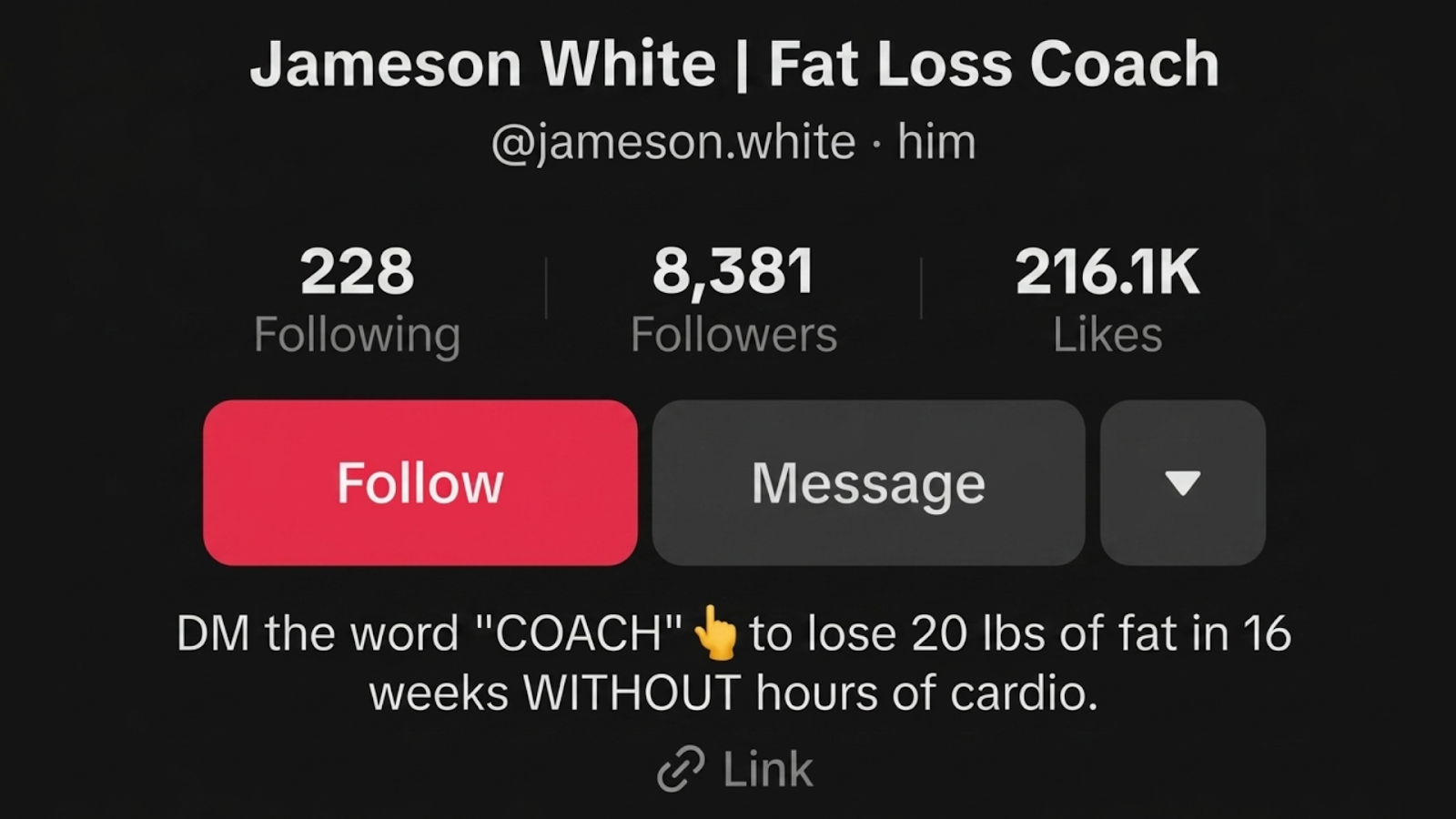
Real before-and-after across remote engagements. Click any card to open the channel.
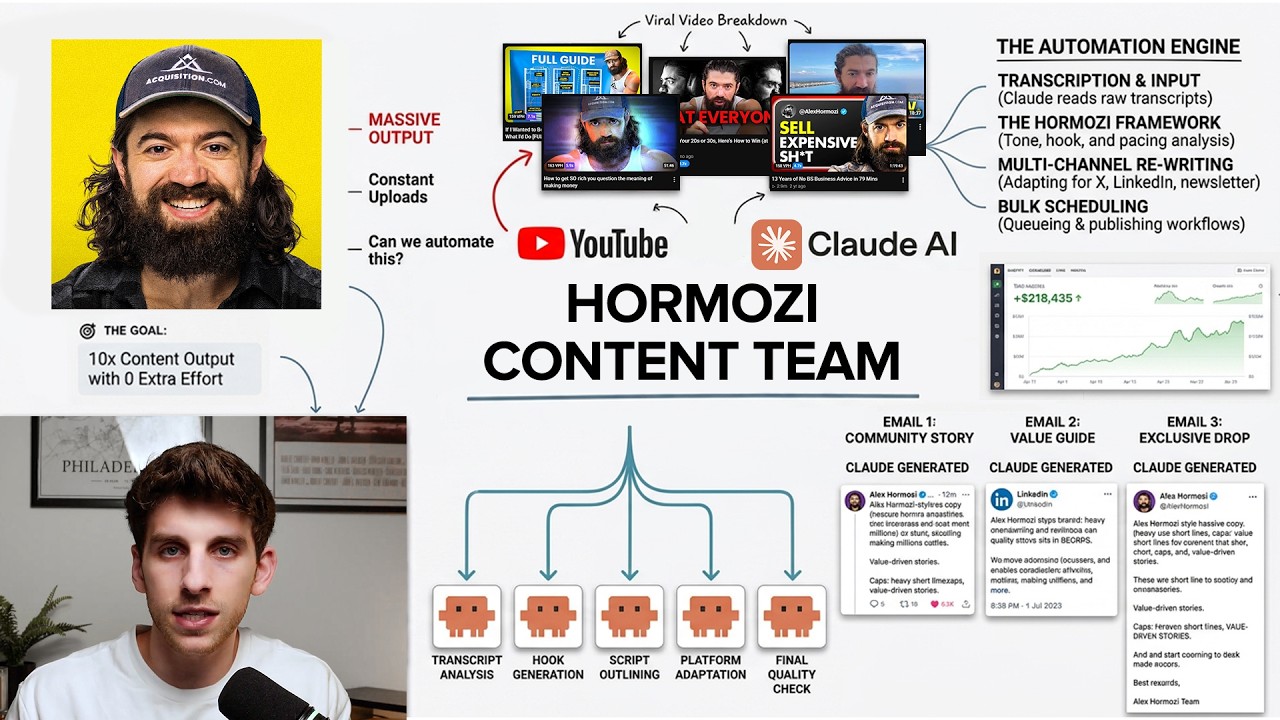
In this video, I automate Alex Hormozi's content strategy with Claude by turning it into an AI agent, built live from start to finish. Hormozi has laid out his content...
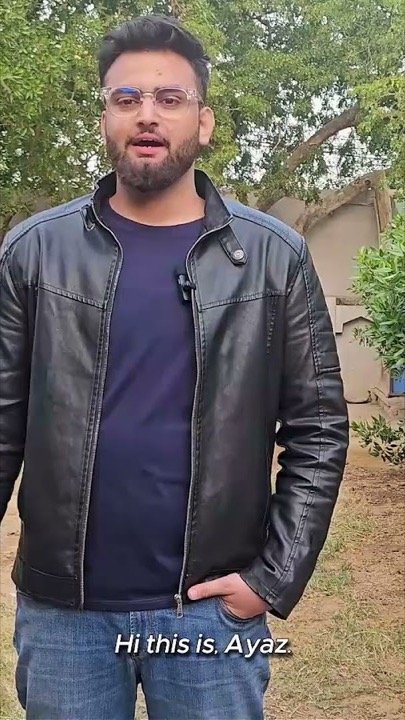
Working with Ayaz was a good experience. He excelled on TikTok, and his creative ideas and videos significantly contributed to our follower count reaching 120k in a short period of 4-5 months.
It was surprising for me to see my follow count go from 0-100k in such a short period of time. Thanks to their creative video ideas to convert boring educational videos into engaging styles of presenting.
What would be your reaction if you get 0-67k followers organically in just 30 days of working with someone? I'm feeling that right now.
I don't just post content. I build systems that grow brands measurably.
I audit where the brand's social presence sits today, where it wants to go, who the competitors are, and what the audience actually responds to.
I build a content strategy that maps platforms, formats, voice, posting cadence, and KPIs to business goals.
I measure what worked, what didn't, and feed the insights back into the strategy.
I create, schedule, publish, and engage across every platform with consistency and quality.
A live 30-minute build on a real brand (Sunday.ai). What I audit first, how I pull real objections from the audience, and how pillars turn into a content funnel.
I start with what the brand actually sells and the exact ICP, then I hunt for the second decision-maker most people miss. For Sunday.ai, the buyer is a 30 to 50 well-income US household. But the partner has to say yes too, and they only ask one thing: is this thing safe around my family?
I don't invent what the audience thinks, Reddit tells me the actual problems and concerns. For Sunday.ai the buyer wanted mental load taken off, but feared a machine with arms in the house and had no idea what happens if it drops a glass or malfunctions.
Every concern becomes a content pillar. Proof of work, living with the product, privacy and safety, and brand loyalty. Then a hard split on the funnel: 35% TOFU for reach, 50% MOFU to answer the buyer's concerns, 15% BOFU for the pre-sold customer.
I research the brand, the audience, and what's working in adjacent niches, then turn it into a backlog of ideas your team can actually ship.
I script, design, and produce the kind of short-form pieces that earn distribution on their own, not the kind that need a paid boost to be seen.
Every long-form asset gets broken down into a structured set of clips, carousels, and posts that work across platforms without losing context.
I build the connection between content and pipeline, so social isn't a vanity channel, it's a measurable source of qualified inbound.
I write hooks that earn the first three seconds and structures that hold attention to the end, with retention curves to back the call.
I cut and pace the edit to the platform, not the other way around. Same source clip, different cut per platform, better numbers everywhere.
I document the voice so the next ten writers sound like the founder, not like ten different agencies all pitching at once.
I wire Claude, custom prompts, and n8n into a workflow that takes you from interview transcript to publishable draft without losing the voice.
Switch tabs to see work shaped for each platform's native format.
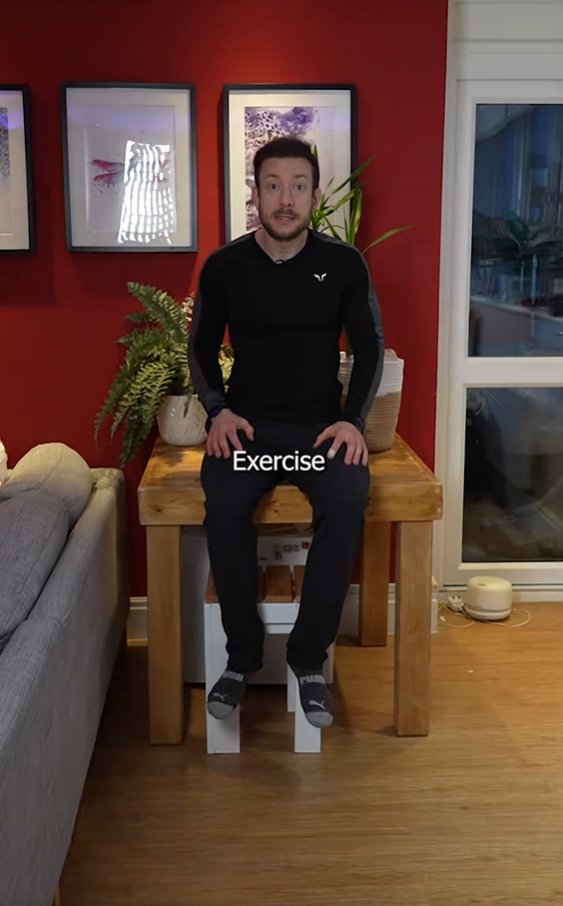
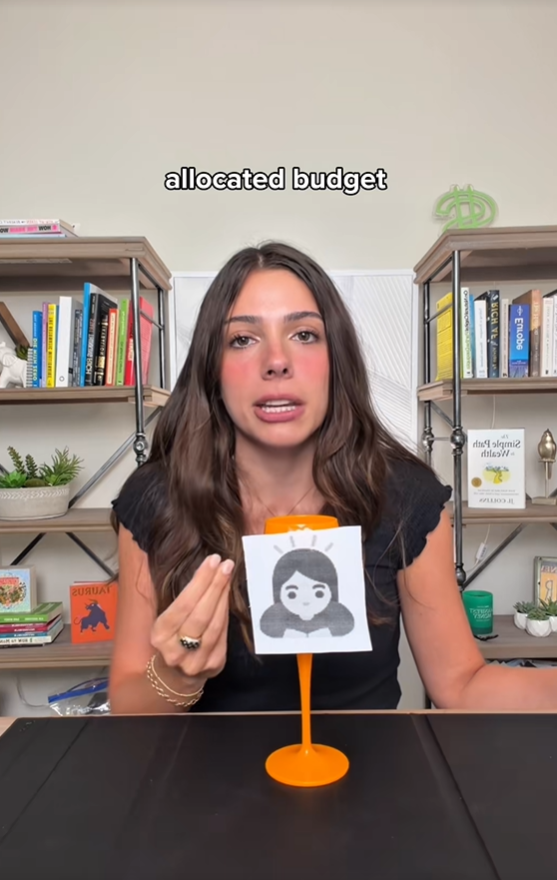
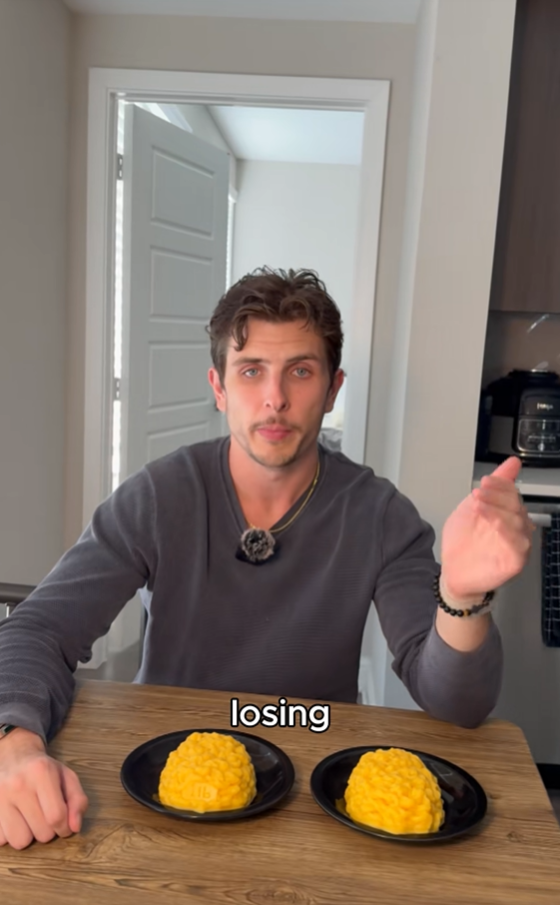
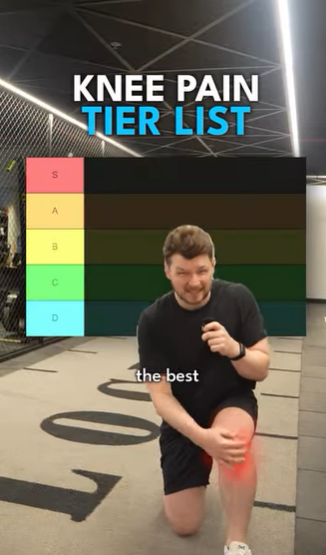
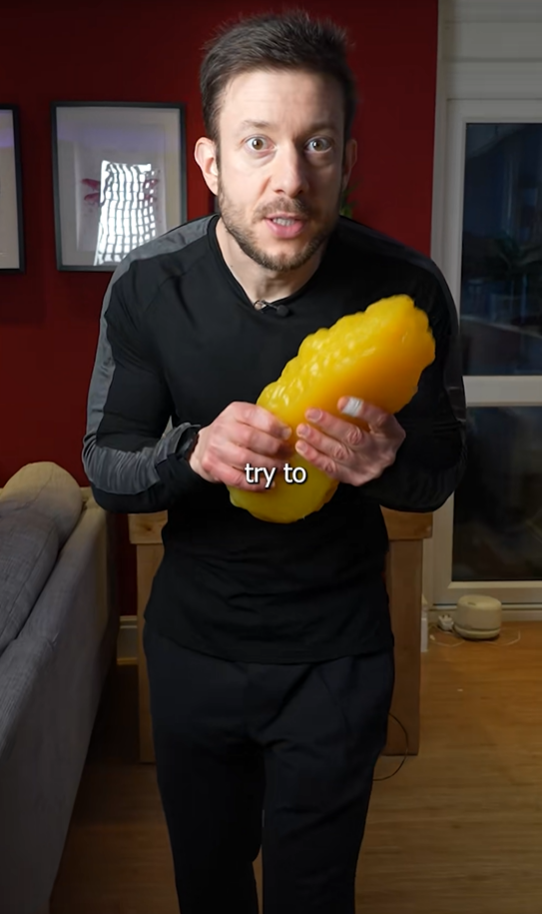
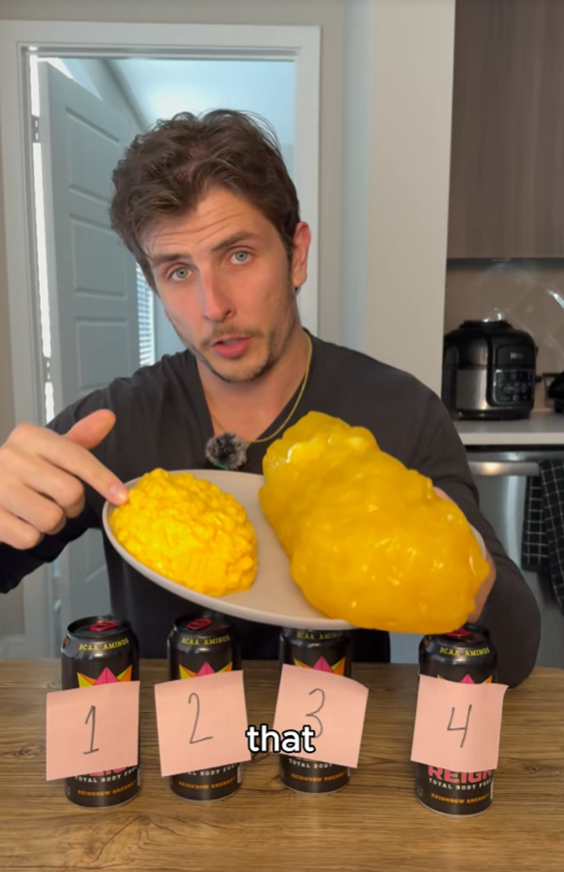

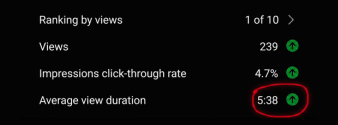
I helped in strategizing the structure and whole video script including the payoff and CTA for maximum retention.

I helped in brainstorming the thumbnail concept and the structure of the video, including SEO and management of the channel.

I helped in strategizing the structure and whole video script including the payoff and CTA for maximum retention.

I helped in brainstorming the thumbnail concept and the structure of the video, including SEO and management of the channel.

I helped in strategizing the structure and whole video script including the payoff and CTA for maximum retention.
I helped in strategizing the structure and whole video script including the payoff and CTA for maximum retention.
I helped in strategizing the structure and whole video script including the payoff and CTA for maximum retention.
I helped in strategizing the structure and whole video script including the payoff and CTA for maximum retention.
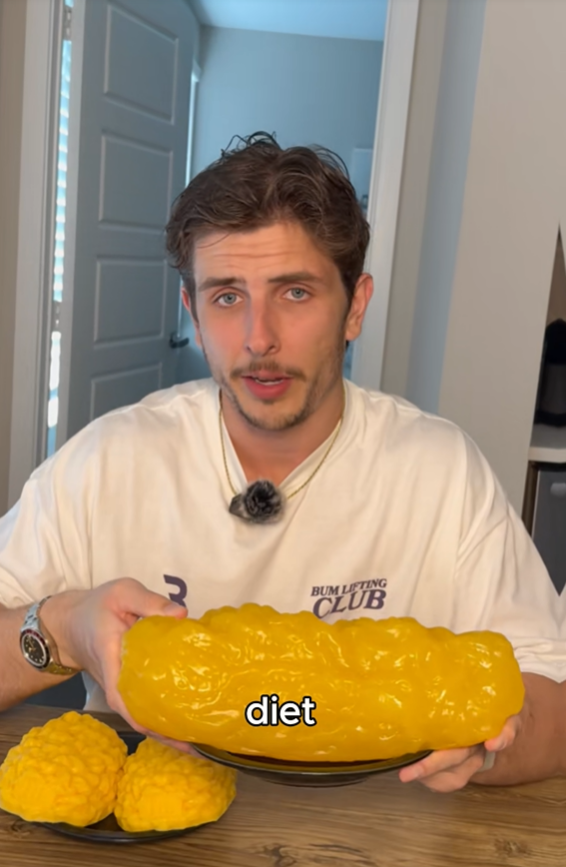
Scripted the hook, retention beats, and payoff for maximum watch-through.
Scripted the hook, retention beats, and payoff for maximum watch-through.
Scripted the hook, retention beats, and payoff for maximum watch-through.
Scripted the hook, tier-list structure, and CTA (KNEE+ trigger) for maximum comments and retention.
I run a structured interview before writing a single word, usually 30 to 45 minutes, recorded. I listen for three things: how they structure an argument, what words they repeat, and where they get genuinely animated. That last one is where the real voice lives. From there I build a voice reference doc with sentence rhythm, phrases they'd never use, and go-to analogies, then I start drafting. After working with multiple founders, I can usually nail the voice on the first draft. Clients stop making edits by week three.
Both, and I think the distinction matters less than people make it. Strategy without execution is a deck no one reads. Execution without strategy is content that doesn't compound. My edge is that I can run the brief, the interview, the draft, and the performance review in the same week without handing off and waiting. That said, if I had to pick one strength it's strategy. A bad strategy can't be edited into a good one.
I start with what the business needs to move: pipeline, retention, demo requests, whatever. Then I work backwards. What content directly influences that, what builds the audience that eventually influences that, and what content is just habit. Anything in the third bucket gets cut. If a format or channel hasn't shown traction in 60 to 90 days, I don't optimize it. I replace it with a hypothesis worth testing.
Research and gap analysis: Claude. Interview transcripts: Granola to extract key quotes and themes. First draft: a custom prompt built around the client's voice document, targeting around 70 to 80% quality. My job from there is the last 20%, adding the opinion, the specific detail, the line that makes someone stop scrolling. The whole chain is faster than a traditional workflow and the output is stronger because I'm editing, not starting from a blank page.
Two things. First, prompt quality determines draft quality. Vague prompts produce generic output, so I invest heavily in the brief and the voice doc before touching AI. Second, I run a final edit pass specifically looking for AI tells: over-explained transitions, fake enthusiasm, anything that hedges instead of commits. If I wouldn't say it in a real conversation, it doesn't survive the edit. The goal is for no one, including the client, to tell where the AI stopped and I started.
Every content pillar gets mapped to a business outcome before anything publishes. LinkedIn thought leadership ties to inbound DMs and connection requests from the right buyers. Newsletter ties to trial signups or demo requests tracked via UTM. Blog ties to organic traffic to product pages. I track a short KPI list per client, usually three or four metrics, and review monthly. If content is moving impressions but not the business metric, that's a strategy problem, not a distribution problem, and I treat it that way.
I care about qualified inbound, email open rate among new subscribers, and content-influenced pipeline. I mostly ignore raw follower count, total impressions, and likes. The test I apply to every metric is simple: if this number doubles, does the business notice? If the answer is no, I stop tracking it.
I say so once, clearly, with reasoning. Here is what I would recommend and here is why. If you want to go a different direction, I will execute it well, but I want you to know my concern first. Then I let them decide and deliver either way. What I don't do is silently comply and let a bad strategy ship without flagging it. That isn't being client-friendly, it's being conflict-averse, and it costs clients the results they hired us to deliver.
B2B SaaS, GTM tools, marketing technology, finance, fitness, and fintech. In those I can move from brief to draft without a research sprint because I already understand the buyer, the terminology, and the competitive dynamics. For a new industry I'm transparent about the ramp, usually two to three weeks to get the vocabulary and audience perspective right. What doesn't change across industries is the strategy: who is the reader, what do they fear, and what decision is the content trying to move.
Templates and systems, not heroics. I do not rely on having a good day to produce good work. Brief formats, voice documents, prompt libraries, and QA checklists make quality the default output rather than the exception. Speed comes from removing decisions, not cutting corners. When I know exactly what a piece needs to do, who it is for, and what voice it is in before I start, the draft is fast and the edit is short.